Health and Safety Policy for Cleaners SW10
 Our health and safety policy for cleaners SW10 sets out the standards, responsibilities, and working practices needed to protect everyone involved in domestic and commercial cleaning. It reflects the practical realities of cleaning work, where staff may handle chemicals, operate equipment, move between properties, and work around members of the public or clients. The aim is to reduce risk, promote safe behaviour, and maintain a consistent approach to safe cleaning operations.
This policy applies to all cleaning tasks carried out by our team, including routine cleaning, deep cleaning, end-of-tenancy work, and specialist surface care. It covers personal safety, manual handling, chemical use, equipment checks, incident reporting, and the management of hazards. We expect every cleaner in SW10 to follow these principles carefully and to raise concerns whenever a task may be unsafe.
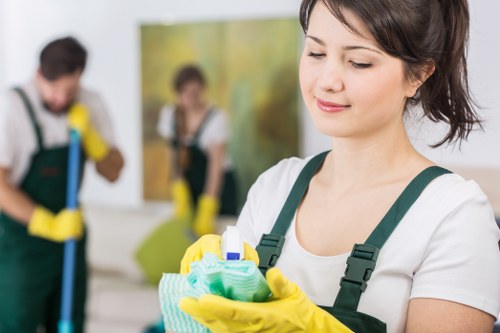 We recognise that effective safety management begins with planning. Before work starts, suitable assessments should be made to identify hazards such as wet floors, fragile items, poor ventilation, electrical equipment, or exposed sharp objects. Cleaning staff must be given clear instructions and the correct materials for each task. Where conditions change during a job, the plan should be reviewed immediately.
All staff are responsible for working in a way that protects themselves and others. This means wearing suitable personal protective equipment where needed, using warning signs when floors are slippery, and keeping work areas organised. Cleaners in SW10 should never take unnecessary risks to finish a task quickly. If a job cannot be completed safely, it must be paused and reported to a supervisor or manager.
Manual handling is a key part of this policy. Cleaning products, vacuums, mops, bins, and laundry items may all need lifting, carrying, or moving. Staff should use correct posture, avoid twisting, and ask for assistance when loads are heavy or awkward. Trolleys and other aids should be used whenever possible to reduce strain and to support safer cleaning routines.
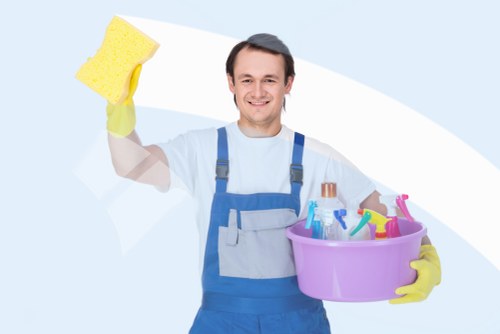 Chemical safety is another essential area. Cleaning agents must be stored securely, clearly labelled, and used only as instructed. Never mix products unless the manufacturer’s guidance states that it is safe to do so. Adequate ventilation should be maintained when working with sprays, disinfectants, or strong detergents. Where relevant, staff must be aware of allergy risks, skin irritation, and inhalation hazards.
Working Practices and Hazard Control
Safe use of equipment is required at all times. Electrical items such as vacuums, steam cleaners, and floor machines should be checked before use for damage, loose parts, or unsafe cables. Faulty equipment must be removed from service immediately. Staff should avoid overloading sockets, keep cables away from water, and ensure appliances are used in accordance with training and manufacturer instructions.
Good housekeeping also supports safety. Cleaning materials should be stored neatly, pathways kept clear, and waste removed regularly to avoid trips and falls. If spills occur, they should be dealt with quickly and marked if necessary. In busy environments, the safe movement of people must always be considered, especially where cleaners are working near entrances, stairways, or shared spaces.
At the middle of our safety policy, we place particular emphasis on competence and supervision. Every cleaner should receive appropriate training for the tasks they perform, including safe handling of products, correct equipment use, emergency procedures, and awareness of site-specific hazards. New starters or temporary workers must not be left without guidance when risks are present.
Incident reporting is essential to continuous improvement. Any accident, near miss, injury, or unsafe condition must be reported as soon as possible. This includes slips, chemical splashes, cuts, equipment faults, and situations where a member of the public, client, or worker may have been put at risk. Reports help identify patterns and allow preventative measures to be introduced before a problem is repeated.
Emergency readiness is also part of our approach. Staff should know the correct response to fire, first aid incidents, chemical exposure, and evacuations. Where a task involves higher risk, additional precautions may be necessary, such as restricting access to the area or using extra protective equipment. Our goal is to maintain a calm, prepared, and fully safety-conscious cleaning service.
 We also expect regular reviews of equipment, procedures, and work conditions so that cleaning health and safety remains effective over time. Changes in materials, premises, staffing, or cleaning methods should trigger a reassessment of risk. By updating controls promptly, we support safer working conditions and reduce the likelihood of preventable accidents.
Responsibilities and Standards
The management team is responsible for providing safe systems of work, suitable training, appropriate supervision, and access to the correct resources. Supervisors should make sure that cleaners understand their tasks and can perform them safely. They must also ensure that unsafe practices are corrected quickly and that concerns are taken seriously.
Cleaners are responsible for following instructions, using equipment correctly, and maintaining a professional awareness of hazards throughout the job. They should stay alert to changing conditions, respect client properties, and act in a way that protects people, animals, and belongings. Safety is a shared duty, and every individual plays a role in maintaining standards.
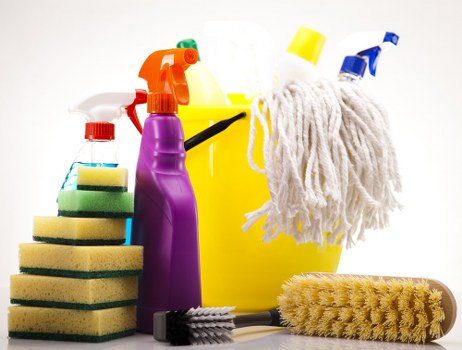 Health and safety for cleaners SW10 is not treated as a formality but as a working principle. Through careful planning, proper training, safe product use, and consistent reporting, we aim to provide reliable cleaning services while protecting everyone involved. This policy supports high standards, reduces risk, and helps ensure that every cleaning task is completed responsibly.