Communal Area Cleaning in SW10
If you manage or live in a shared building, you already know how quickly entrances, stairs, landings, and hallways can lose their clean, welcoming feel. In a busy area like SW10, where flats, mansion blocks, converted buildings, and mixed-use properties are part of everyday life, regular communal area cleaning is more than a nice extra — it is part of keeping the building pleasant, safe, and presentable for everyone who uses it. Whether you are responsible for a resident-managed block, a rental property, an apartment building, or a commercial premises with shared access, a reliable local cleaning service can make a noticeable difference.
Communal spaces are often the first things residents, tenants, visitors, and contractors see. Smudged glass, dusty skirting boards, litter in shared hallways, and muddy footprints on stairs can create an impression that the property is poorly managed, even when everything else is in good order. A regular cleaning routine helps protect that shared environment, reduces complaints, and keeps the property looking cared for throughout the week.
For local customers in SW10, the real benefit of a nearby cleaning team is flexibility. Buildings in and around Chelsea, West Brompton, Earl’s Court, and the edges of Fulham and Kensington often have different access arrangements, entry codes, concierge procedures, resident preferences, and parking limits. A local service is better placed to work around those realities without disrupting day-to-day life. If you are looking for communal area cleaning in SW10, the aim is simple: dependable, thorough cleaning that suits the building and the people who live or work there.
Why communal area cleaning matters in SW10
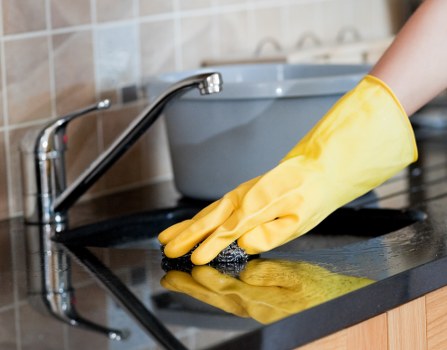
Shared areas carry a lot of traffic. Residents bring in shopping bags, prams, bicycles, shoes wet from the weather, and the occasional moving box. Contractors come and go. Deliveries leave dust and packaging traces. In buildings with many occupants, even a tidy property can start to feel messy surprisingly fast. That is why communal area cleaning SW10 is typically best handled as a regular service rather than a once-in-a-while tidy-up.
Local housing stock in SW10 varies widely. Some buildings have elegant period staircases with bannisters and decorative details that need careful dusting. Others have modern apartment blocks with lifts, tiled lobbies, glass entrance doors, and bin stores that need a more practical cleaning approach. Some properties have shared courtyards, basement entrances, or narrow passageways that gather dirt easily. A good communal cleaning schedule takes these differences into account instead of treating every building the same.
Clean communal areas also support good neighbour relations. When hallways, steps, and landings are consistently clean, residents are less likely to raise complaints about litter, odours, marks on walls, or neglected shared spaces. For landlords, managing agents, freeholders, and resident associations, this can reduce friction and help maintain confidence in the building’s upkeep.
What our communal area cleaning service can include
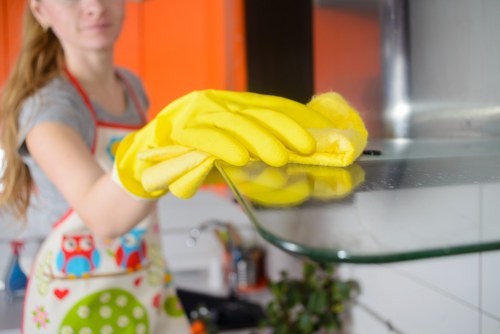
Every property is different, but a well-planned communal cleaning service normally focuses on the shared areas that are used most often. The exact tasks can be adapted to the building layout, the level of foot traffic, and the priorities of the people responsible for the property.
Typical tasks may include:
- Cleaning entrance halls and lobby areas
- Dusting skirting boards, ledges, bannisters, and handrails
- Vacuuming or sweeping stairs, landings, and shared corridors
- Mopping hard floors and wiping down visible marks
- Cleaning internal glass, door panels, and fingerprint-prone surfaces
- Removing light litter and tidy-up debris from communal spaces
- Cleaning lift interiors and call buttons where relevant
- Wiping communal noticeboards, switches, and touch points
- Emptying or replacing bin area liners where included in the agreed scope
- Spot-cleaning walls, doors, and bannisters as required
Some buildings need more than a basic sweep and mop. For example, shared spaces may include bicycle storage areas, post-room access points, service corridors, or basement entrances. These spaces often collect dust and dirt that is easy to overlook until it becomes obvious. A proper service can be arranged around those requirements so the whole property feels looked after, not just the most visible areas.
Who needs communal area cleaning in SW10?

Many types of customers in SW10 need this service, and the reasons are not always the same. For some, it is about presentation. For others, it is about hygiene, safety, or keeping residents satisfied. In practice, communal area cleaning is useful for anyone responsible for shared spaces that are used every day.
Common customers include:
- Resident management companies
- Freeholders and landlords
- Letting and managing agents
- Block managers
- Housing associations
- Commercial property managers
- Mixed-use buildings with shared entrances
- Private landlords with multi-occupancy properties
In SW10, you will find a mix of older conversions, purpose-built flats, riverside and near-riverside developments, and smaller residential blocks. Each of these property types can bring different cleaning challenges. Period buildings may require careful attention to detail around banisters, mouldings, and stair edges. Modern developments may need extra focus on glass, polished surfaces, lifts, and secure entry systems. Shared commercial spaces may need cleaning scheduled around opening hours, deliveries, and staff access.
What makes a local SW10 team useful?
A local service brings practical advantages that matter in everyday building management. When cleaners understand the area, they are better prepared for the realities of local access, traffic, and property layouts. SW10 is not a one-size-fits-all district. Streets around Chelsea Harbour, West Brompton, and the borders toward Earl’s Court can involve different entry arrangements, parking restrictions, and timing issues. This affects how a clean can be carried out efficiently and without inconvenience.
Local knowledge helps with timing too. A team that regularly works in and around SW10 is more likely to understand when access is easier, when resident movement is heavier, and how to avoid disruption during school runs, deliveries, or commuter peaks. That means cleaner shared spaces without unnecessary disturbance to residents, guests, or staff.
Just as importantly, a nearby cleaning provider can respond more easily when something changes. If there has been a spill in the entrance, a build-up of dirt after works, or a one-off issue in a bin area or corridor, a local team is generally better placed to arrange a timely visit. For buildings that care about presentation, that responsiveness matters.
How communal area cleaning works

The process is usually straightforward, but it should never feel generic. A good service begins by understanding the building, the level of use, and the results you want to achieve. Some properties need light daily maintenance. Others need several visits a week. Some need a deep reset after construction work, tenant changeovers, or long periods without proper upkeep.
A typical process may look like this:
- Initial discussion — the property’s layout, access points, and cleaning priorities are identified.
- Site assessment — the communal areas are reviewed so the right tasks and schedule can be planned.
- Cleaning specification — a list of agreed duties is set out for the building.
- Scheduled visits — cleaning takes place at agreed times to fit the property’s routine.
- Ongoing review — the service can be adjusted if foot traffic, weather, or occupancy changes.
That approach is especially valuable for shared buildings because no two blocks behave the same way. A small property with a handful of flats may need less frequent attention than a larger block with constant footfall. Likewise, a building with lots of tenants, short lets, or frequent visitors may need more regular cleaning than one with long-term owner-occupiers and less turnover.
Clear communication is part of a good service. If access arrangements change, if the cleaning needs to be altered, or if certain areas require more focus than others, a reliable team should be able to adapt without creating confusion for residents or managers.
Preparation checklist for residents and building managers
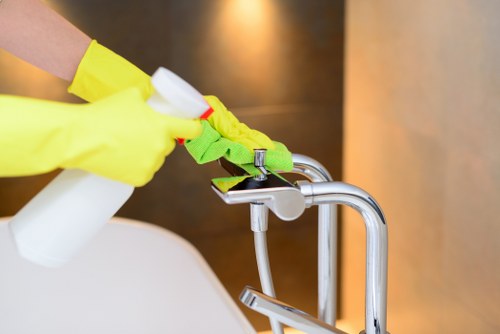
Communal area cleaning works best when access is simple and expectations are clear. A short preparation checklist helps avoid delays and ensures the service is delivered efficiently. This is especially helpful in SW10 buildings where access points may be secure, parking can be limited, or shared spaces are used throughout the day.
Useful preparation steps include:
- Confirming entry instructions, codes, or keys in advance
- Making sure cleaning times do not clash with removals or repairs
- Letting residents know about scheduled visits where needed
- Ensuring pathways to the main shared areas are clear
- Removing large personal items from hallways where possible
- Flagging any fragile finishes, historic details, or problem areas
- Pointing out bin stores, bike rooms, or secondary entrances that need attention
It is also wise to think about the building’s usage pattern. For instance, if the property sees more activity on certain days, the cleaning plan can be arranged around that. If there is a concierge, caretaker, or estate manager on site, they can help coordinate access and highlight any areas that need extra care.
When the preparation is right, the whole service runs more smoothly. That often means a better result for residents and less administrative hassle for the people managing the property.
Pricing factors for communal area cleaning
Customers often want to know what affects the cost of communal area cleaning in SW10. It is sensible to ask, because the price should reflect the actual work involved rather than a vague assumption. While exact prices vary, several practical factors usually influence the quote.
These can include:
- The size of the communal areas
- How many floors, stairs, corridors, or landings need cleaning
- Whether lifts, glass doors, or specialist surfaces are included
- How often the property needs cleaning
- The level of dirt, litter, or wear that has built up
- Access conditions and the time required to enter and exit the property
- Whether extra areas such as bin stores, bike sheds, or courtyards are included
- Any one-off deep cleaning or restoration work needed before a regular schedule begins
Buildings with straightforward access and routine maintenance needs may be quicker to clean than properties with narrow stairwells, secure entry systems, or multiple separate blocks. On the other hand, a building that has been neglected for a while may need a more thorough first visit before it can move to a normal schedule. For that reason, many customers prefer to request a tailored quote based on the real condition and use of the building.
Requesting a free quote is often the best next step if you are comparing options or planning a regular cleaning schedule. It allows the service to be matched to the property rather than guessed from a distance.
Why regular cleaning protects the property
Communal areas take a lot of wear. Dust settles in corners, grime builds on handrails, and dirt gets carried in from outside. Without regular attention, those small issues can become much harder to manage. Routine cleaning helps prevent light dirt turning into stubborn build-up, and that can protect surfaces over time.
For example, hard flooring can become dull if grit is left to spread. Painted walls can show more marks around switch plates and door frames. Carpets on stairs can hold odours and dust if they are not maintained consistently. Glass entry doors can look neglected with only a few fingerprints and smudges. Regular cleaning helps keep these spaces in better condition for longer.
There is also a practical safety angle. Clean floors and steps are less likely to become slippery or unpleasant to use, especially during wet weather when SW10 entrances can see mud, water, and leaf debris brought in from outside. While cleaning is not a substitute for building maintenance, it does support a cleaner, safer environment overall.
Areas covered around SW10
Local communal area cleaning services in SW10 usually cover the wider surrounding neighbourhoods as well, particularly where buildings are close together and shared management needs are similar. That may include properties near Chelsea, West Brompton, Earl’s Court, parts of Fulham, and nearby sections of Kensington. Because these areas have a blend of residential and commercial buildings, a flexible approach is often needed.
Common local property types include:
- Converted period houses with shared staircases
- Purpose-built blocks of flats
- Managed apartment buildings
- Mixed-use developments with shopfronts and residential entrances
- Smaller mansion blocks with communal halls and landings
- Basement-to-upper-floor conversions
For buildings near busier routes or heavily used streets, external dirt can travel inside faster than people expect. That makes entrance cleaning, mat areas, and floor maintenance especially important. Meanwhile, more discreet residential streets may have different issues such as dust in shared corridors, cobwebs in less visited spaces, or neglected rear entrances. Local cleaning plans can account for those differences.
Areas covered should always be discussed clearly during the enquiry stage so the service can be matched to the actual building location and access requirements.
What customers value most in a communal cleaning service
Most customers looking for communal area cleaning in SW10 are not asking for unnecessary extras. They want the basics done properly, consistently, and with care. A service is generally judged on whether it keeps shared spaces looking tidy and reduces the small frustrations that build up when a building is not being maintained well enough.
Key things customers usually value include:
- Punctual and dependable visits
- Attention to detail in visible areas
- Respect for residents and shared access
- Clear communication about what is included
- Flexibility around building use and access issues
- Consistent results from one visit to the next
- Ability to handle both routine cleaning and occasional deeper tasks
In practice, that means more than just cleaning what is obvious. It means noticing where dirt collects, how the building is used, and which spaces matter most to the residents and managers. A good service is quietly effective. The building simply feels better to live in.
Frequently asked questions
How often should communal areas be cleaned?
That depends on the building. Some smaller blocks may only need weekly cleaning, while busier buildings may benefit from multiple visits each week. Properties with high foot traffic, shared bins, or a lot of resident movement often need a more regular schedule.
Can the service be adapted for different building types?
Yes. A purpose-built block, a period conversion, and a mixed-use property all need slightly different approaches. The cleaning plan should reflect the property layout, flooring, access, and usage patterns.
Do you clean bin areas and external shared spaces?
Often, yes, if they are included in the agreed scope. Bin stores, communal courtyards, entrance thresholds, and shared external walkways can all be important parts of the overall presentation of the property.
What if the building has restricted access?
That is common in SW10, especially in managed blocks and secure apartment buildings. A local team can usually work around entry codes, key arrangements, concierge procedures, or timed access windows, as long as these are agreed in advance.
Can you help after refurbishment or a move-out?
Yes. Many buildings need a one-off clean after works, decorating, or tenant changes before they settle into a regular maintenance schedule. That can be a sensible way to reset the shared areas.
How do I know what is included in the quote?
The best approach is to ask for a tailored breakdown of the tasks and frequency. That way, you can see whether the focus is on entrances, stairwells, lifts, glass, floors, or additional shared spaces such as bike rooms and bin stores.
Why choose a local company for communal area cleaning in SW10?
Choosing a local company is often about practicality, trust, and responsiveness. A team that already works in the area is usually more familiar with the sort of buildings found in SW10, and that can lead to a smoother service from the start. It also makes it easier to schedule visits around local traffic patterns and property access realities.
Local services can also be easier to coordinate with when there is a need for adjustments. If your building has changing occupancy, a new management arrangement, or a temporary issue that needs extra attention, a nearby team may be able to respond more quickly than one travelling in from further away. That can be helpful when a communal area needs consistent care rather than occasional attention.
For landlords, managing agents, and residents alike, the aim is simple: keep the shared parts of the property clean, presentable, and comfortable to use without causing disruption. A local service is often the most practical way to achieve that.
Book communal area cleaning in SW10
If your building’s shared spaces need regular attention, or if the entrance, stairs, and corridors are starting to look tired, now is a good time to arrange support. Communal area cleaning is one of the easiest ways to improve the day-to-day feel of a property and maintain a better standard for everyone who uses it. It can also reduce complaints and help the building stay in good order over time.
Whether you need a routine visit, a tailored cleaning plan, or a one-off reset before regular maintenance begins, a local SW10 service can be shaped around your property’s needs. Contact us today to discuss the building, request a free quote, or book your service now. The right cleaning plan can make shared spaces feel fresher, safer, and better cared for from the very next visit.
For residential blocks, commercial properties, and mixed-use buildings in SW10, reliable communal area cleaning is a practical investment in everyday comfort and presentation.