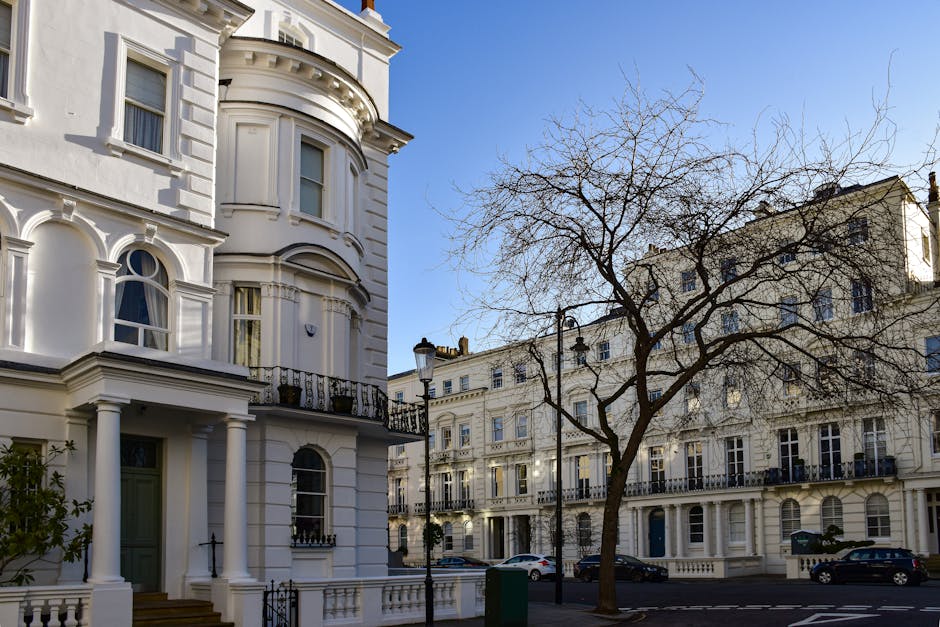
Fulham Road end of tenancy cleaning for flats
Posted on 09/08/2026
If you are moving out of a flat on or near Fulham Road, the last thing you want is a messy handover. End of tenancy cleaning is one of those jobs that looks straightforward until you're halfway through descaling a tap, pulling dust from skirting boards, and wondering how the oven got that bad. Truth be told, Fulham Road end of tenancy cleaning for flats is less about "a quick tidy" and more about returning the property to the condition your landlord, letting agent, or inventory report expects.
That matters even more in flats, where access, storage space, shared hallways, parking, lifts, and building rules can make the move-out process a bit fiddly. In this guide, you'll find a practical, local-minded breakdown of what the cleaning should cover, how it works, where people usually go wrong, and how to make the whole thing less stressful. We'll also touch on tenancy expectations, best-practice standards, and a few sensible ways to avoid those irritating end-of-tenancy disputes.
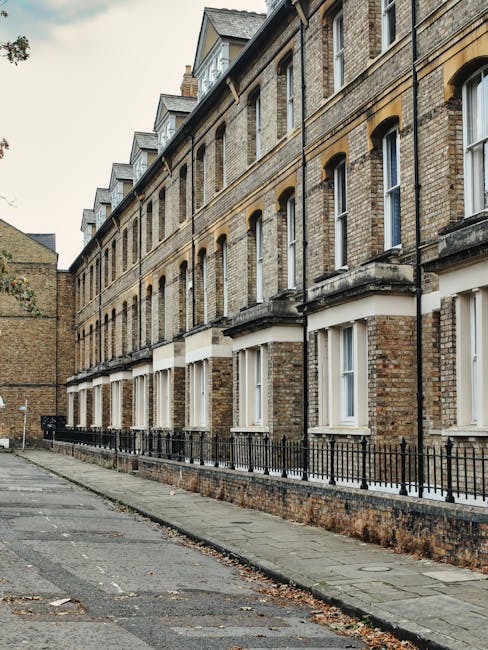
Why Fulham Road end of tenancy cleaning for flats Matters
End of tenancy cleaning is the final deep clean carried out before you hand back the keys. In a flat, it usually means cleaning every room, surface, appliance, fitting, and fixture with the goal of leaving the place in a condition that matches the tenancy agreement and the check-in inventory as closely as possible.
On Fulham Road, flats often see a lot of everyday wear: kitchen grease builds up quickly in smaller layouts, bathroom limescale shows more obviously, and carpets can trap dust from busy city life. Add in footfall from people coming and going, pets in some homes, and the occasional spill behind a sofa, and you can see why a standard weekly clean is rarely enough.
Why does it matter so much? Because move-out cleaning can influence the speed and smoothness of the deposit return process. Landlords and agents are usually looking for consistent standards, not perfection. But they do expect obvious dirt, grime, and neglected areas to be dealt with. A flat that looks clean on the surface but still has greasy extractor filters, dusty tops of doors, or limescale in the shower can trigger follow-up comments. And nobody wants that on moving day. Not really.
It is also worth saying that shared buildings bring extra context. Communal hallways, stairwells, and bin stores may not form part of the internal clean, but they can affect access, timing, and how smoothly the job can be completed. In a compact Fulham Road flat, logistics matter almost as much as elbow grease.
Expert summary: the best end of tenancy clean is not just "thorough"; it is targeted, methodical, and aligned with what the inventory will actually check.
How Fulham Road end of tenancy cleaning for flats Works
A proper end of tenancy clean follows a room-by-room and top-to-bottom process. The cleaner starts with the highest or least dirty areas and works downwards so dust and debris do not get moved onto already cleaned surfaces. In practice, that means tackling cobwebs, light fittings, and shelves before floors.
For flats around Fulham Road, the process often includes kitchens, bathrooms, bedrooms, living spaces, hallways, storage cupboards, internal windows, and hard-to-reach edges behind furniture. If the property has a small balcony or utility area, that may be included too, depending on the tenancy and access.
Most professional cleans will also pay attention to the details that renters often miss when rushing to hand back keys: inside kitchen units, behind/under appliances where possible, plug sockets, radiators, silicone edges in the bathroom, limescale around taps, and build-up along skirting boards. These are the places where a flat can look fine at first glance but still fail the sniff test, so to speak.
If carpeted areas are present, many tenants choose to add specialist treatment rather than relying on vacuuming alone. The same goes for upholstery or curtains that have picked up odours or dust during the tenancy. If you need to pair the clean with fabric care, it can help to review related services such as carpet cleaning in SW10 or upholstery cleaning in SW10. And if you are dealing with sensitive soft furnishings, there is a useful read on washing velvet curtains safely.
Key Benefits and Practical Advantages
The biggest benefit is obvious: a better chance of a smooth handover. But there are several other practical advantages that are easy to overlook when you're exhausted from packing boxes and finding missing charger cables in the oddest places.
- Deposit protection: A clean, well-presented flat reduces avoidable cleaning deductions, especially for visible grime or neglected areas.
- Less last-minute stress: When the clean is planned properly, you are not scrubbing an oven at 11 p.m. the night before checkout.
- Better presentation for inspections: Agents and landlords tend to respond more positively to a flat that feels cared for.
- More efficient move-out: A structured clean supports the moving schedule, especially in smaller flats where one room can't stay "half packed" forever.
- Better hygiene for the next occupant: Even if you're leaving, it is just decent practice to hand over a fresh space.
There is also a quieter benefit: peace of mind. That may sound fluffy, but on a moving day it is not. When the flat is cleaned properly, you are free to focus on key handover, final meter readings, transport, and the rest of the chaos. A surprising amount of mental load disappears. Small thing, big relief.
Who This Is For and When It Makes Sense
Fulham Road end of tenancy cleaning for flats is most useful for tenants leaving rented accommodation, but it is not only for tenants. Landlords, letting agents, and even flat sharers who are splitting responsibility can benefit from it.
It makes sense if any of the following apply:
- You are moving out and need the flat to meet inventory expectations.
- The property has carpets, upholstery, or delicate finishes that need more than a basic wipe-down.
- You are short on time and want the job done properly in one go.
- The flat has built-up kitchen grease, bathroom limescale, or marks on walls and fittings.
- You are a landlord preparing a flat for re-let and want it presented consistently.
It is especially relevant in smaller London flats because there is often little storage for cleaning supplies, limited room to move furniture, and tight turnarounds between tenancies. If you have ever tried to deep-clean a galley kitchen while standing on a hallway of boxes, you'll know exactly what I mean.
For landlords working across nearby areas, it may also be useful to compare service options with end of tenancy cleaning in Chelsea or broader support from the services overview. If you want background on the company itself, there is also an about us page that explains the approach in more detail.
Step-by-Step Guidance
Here's a practical way to think about the job, whether you are doing it yourself or booking help. It keeps the process less chaotic, which is always welcome.
- Read the tenancy agreement and inventory. Check whether the landlord expects professional cleaning, whether carpets need specialist treatment, and whether any items must be returned to a specific condition.
- Declutter first. Remove all personal items, bin bags, food, bathroom products, and loose clutter before any deep clean begins. Cleaning around boxes is a bit pointless.
- Start with dust and dry debris. Dust shelves, skirting boards, light fixtures, internal doors, frames, and vents before using water or spray products.
- Work room by room. In flats, this helps you avoid forgetting a cupboard, window ledge, or oddly shaped corner behind the radiator.
- Deep-clean the kitchen. Focus on inside and outside of cupboards, hob, oven, extractor, sink, taps, tiles, and fridge/freezer if included.
- Sort the bathroom carefully. Remove limescale, clean around taps, shower glass, grout lines, toilet base, and any mould-prone edges.
- Vacuum and treat floors. Hard floors need a proper wash; carpets may need more than vacuuming if they show wear or stains.
- Finish with glass and touchpoints. Wipe windows, mirrors, switches, handles, and final fingerprints.
- Do a final walk-through. Use daylight if possible. Morning light near a Fulham Road window can reveal dust you somehow missed the night before.
One small but important note: don't clean the easiest-looking room first unless you are genuinely energised by false progress. Start where the grease, dust, and limescale are worst. That gives you momentum and avoids the classic "I cleaned everything except the oven" regret.
Expert Tips for Better Results
A good move-out clean depends on the order of work, the right products, and a bit of realism. You do not need a cupboard full of fancy tools, but you do need to know what matters most.
- Use the inventory as your checklist. It is the closest thing you have to the landlord's eyes.
- Do the bathroom twice if needed. A second pass on limescale and grout often makes a visible difference.
- Give the oven enough time. Oven grime does not care that you are in a hurry.
- Lift dust from the top down. Otherwise, you clean the same area twice. Annoying, but very common.
- Open windows while cleaning. It helps with odours and speeds drying, especially in compact flats.
- Check hidden edges. Behind taps, along sealant lines, and under appliance lips are classic inspection points.
- Take photos when finished. If anything is disputed later, you will be glad you did.
If the flat includes carpets, sofas, or curtains that have absorbed day-to-day living over a tenancy, it can be wise to pair the clean with specialist fabric care. For moving-day planning and tenant awareness, you may also find the local guide on West Brompton station cleaning for landlords useful, especially if access and turnaround times are tight.
And yes, sometimes the best tip is simple: leave yourself more time than you think you need. The final 10% of a clean takes ages. Always does.
Common Mistakes to Avoid
Most move-out problems come from rushing, not from bad intentions. People are tired, packing is unfinished, and cleaning becomes a "we'll sort it later" task. That later usually arrives at 8 a.m. with a vacuum cleaner and mild panic.
- Leaving the clean until moving day. This is one of the fastest ways to create avoidable stress.
- Ignoring the oven, extractor, and fridge. Kitchens are inspected closely because residue is so easy to spot.
- Cleaning around furniture that is leaving anyway. Hidden dust and marks still count.
- Using the wrong product on delicate surfaces. Strong chemicals can damage finishes, seals, or fabrics.
- Forgetting limescale and mould-prone areas. Bathrooms in London flats often need extra attention.
- Not checking bulbs, handles, and fixtures. Small details can make the whole place look unfinished.
- Assuming a standard domestic clean is enough. A move-out clean is usually more intensive than routine housekeeping.
Another common slip: people clean what they notice, not what an inventory will notice. Those are not always the same thing. A sparkling sink is good; a clean extractor fan, polished taps, and dust-free skirting boards are better.
Tools, Resources and Recommendations
You do not need industrial kit for every flat, but having the right tools makes the job faster and less frustrating. Here's a sensible, no-nonsense kit for most Fulham Road flats.
- Microfibre cloths for dusting and polishing
- Vacuum cleaner with crevice attachment
- Non-abrasive sponges for kitchen and bathroom surfaces
- Degreaser for cooker, hob, and extractor areas
- Limescale remover used carefully and according to instructions
- Window and glass cleaner for mirrors and internal glazing
- Mop and bucket for hard floors
- Rubber gloves, especially for bathroom and oven work
- Bin liners, because rubbish tends to multiply at the worst moment
For tenants who want to understand pricing structure or request a clearer breakdown before booking, the pricing and quotes page is a sensible place to start. If you want reassurance around payment handling, there is also a dedicated payment and security page, plus an insurance and safety page for added peace of mind.
For broader home maintenance or if you are staying in the area and need regular support rather than a one-off move-out clean, you might also explore domestic cleaning in SW10 or house cleaning in SW10. Different needs, different rhythms. Simple as that.
Law, Compliance, Standards, or Best Practice
Here is the careful version: tenancy cleaning is usually governed by the tenancy agreement, the inventory condition, and general expectations about returning the property in a reasonably clean state. Exact obligations can vary, so it is sensible to read your contract rather than rely on assumptions. That sounds obvious, but in move-out week, obvious things get missed.
In the UK, disputes over cleaning often come down to evidence rather than opinion. If a landlord or agent claims the property was not cleaned well enough, the inventory, check-out report, and photos become important. So the best practice is simple: clean thoroughly, document the condition, and keep records of any professional services or product use if that may be useful later.
For flats in managed buildings, you may also need to consider access rules, lift booking, disposal instructions, or quiet-hour restrictions. These are not always "legal" issues, but they are practical ones. If the building requires certain timings for contractors or bulky waste, plan ahead so the clean does not clash with move-out logistics.
Safety matters too. Bleach, descaling products, and oven cleaners should be used with ventilation and care, especially in smaller kitchens and bathrooms. And if a surface is delicate, don't force it. Better to stop and test than to create a repair issue right before checkout.
Options, Methods, or Comparison Table
There are usually three ways people approach a flat move-out clean: do it yourself, split it among flatmates, or bring in a professional cleaner. Each has a place. The best choice depends on time, budget, and how detailed the flat has become over the tenancy. Which, let's be honest, can happen to the best of us.
| Option | Best for | Strengths | Limitations |
|---|---|---|---|
| Do it yourself | Small flats, low-budget moves, light wear | Low direct cost, full control, flexible timing | Time-consuming, easy to miss hidden areas, physically tiring |
| Split between flatmates | Shared flats with clear responsibilities | Shared effort, faster room-by-room progress | Uneven standards if no one owns the final check |
| Professional end of tenancy clean | Tight deadlines, large wear, higher expectations | Systematic, thorough, less stress, better for tricky details | Higher upfront cost than DIY |
For many Fulham Road flats, the professional route is the most practical because the job is detailed and time-sensitive. That said, a hybrid approach can work very well: pack and declutter yourself, then bring in cleaners for the deep clean and final polish. It is a bit of both, and that can be the sweet spot.
Case Study or Real-World Example
Picture a two-bedroom flat just off Fulham Road. The tenants have been there for a year and a half. They've kept it reasonably tidy, but like most busy London renters, they've not cleaned the oven properly in months, the bathroom has limescale around the tap, and the carpet near the sofa has a faint traffic mark from everyday use.
They start by removing everything from cupboards and clearing out food, toiletries, and loose items. Then they clean the kitchen top to bottom, paying close attention to the hob, extractor, and cupboard fronts. One tenant works on the bathroom while the other tackles dust and surfaces in the bedrooms. The carpets are vacuumed first, then treated where marks remain. By the end, the flat looks very different: lighter, fresher, and far more "hand-back ready."
The useful bit here is not that it was dramatic. It wasn't. It was organised. That is usually the real difference between a stressful move-out and a fairly calm one. No magic. Just method.
For people moving within the wider local area, related reading such as living in Brompton or how to sell property in Brompton can also help if your move is part of a bigger housing decision. If you are exploring longer-term investment angles, Brompton real estate investment tips may be of interest too.
Practical Checklist
Use this checklist a day or two before the handover. If you can tick everything off without grimacing, you're probably in good shape.
- All belongings removed from the flat
- Bins emptied and rubbish disposed of properly
- Kitchen cupboards cleaned inside and out
- Oven, hob, extractor, sink, and taps cleaned
- Fridge/freezer defrosted and wiped if included
- Bathroom descaled, disinfected, and dried
- Mirrors, glass, and internal windows cleaned
- All floors vacuumed, swept, or mopped
- Skirting boards, doors, and frames wiped down
- Lights, switches, and handles cleaned
- Carpets and upholstery treated where needed
- Any damage noted and reported honestly
- Final photos taken in good light
- Keys, fobs, and access items ready for return
If you are managing the handover for a landlord, letting agent, or building manager, a final interior and access check is worth doing near transport routes too. The local article on carpet cleaning near Old Brompton Road is a handy neighbourly read if carpets are part of the concern.
Get a free quote today and see how much you can save.
Conclusion
Fulham Road end of tenancy cleaning for flats is really about control: control over the standard, the timing, and the impression you leave behind. Flats are compact, busy, and often full of hidden dust or grime that only shows up when you are already tired. That is exactly why a structured approach matters.
Whether you clean it yourself or bring in help, the goal is the same: return the flat in a clear, fair condition that aligns with the tenancy agreement and avoids unnecessary friction. Keep it methodical, focus on the details that matter, and give yourself enough time to do the job properly.
And if you are still in the middle of boxes, tape, and that one missing charger, take a breath. You're nearly there.